
It goes back to its origin of the name itself. The word that gives our ears the best music when we need the most, the word that is best known as ‘Whisky‘. Do you know, the word Whisky is deprived of Irish itself ( Gaelic, the language Irish people speak), uisce beatha meaning water of life. The History of Irish Whisky dotted back from the 12th century. It is one of the earliest distilled drinks in Europe. There was a saying that it was few of the Irish monk who brought the technique of distilling perfumeas back to Ireland from their travels to the Mediterranean countries around 1000 A.D. And later the same technique was used in distilling Whisky.
Irish Whisky was probably that it got first it right, but there is no doubt now that Scotch Whisky is way more famous and popular among the admirers of Whisky. Irish whisky may have seen it’s worst day, but few are predicting that it will be the next best thing in the world of whisky, as many of big names are about to open and made it available it’s old barreled whiskies. As they are saying the good times are back. It has seen a great resurgence in popularity since the late twentieth century and has been the fastest growing spirit in the world every year since 1990.
But what is really Irish whiskey all about??
Well for the first, yes it is legally produced in Ireland only. And also distilled to no higher than 94.8% ABV and wood-aged for a minimum of three years. Clearly, there’s more than a little wiggle room here, which distilleries are using to their advantage to create interesting, globally competitive whiskies.
Irish whiskey is typically blended, but that doesn’t mean distilleries aren’t experimenting with single malt. Irish whiskey is also generally unpeated, but again, exceptions are possible. Many Irish whiskeys are triple-distilled—theoretically, one reason Irish whiskey is smoother and lighter than Scotch—again that rule isn’t hard and fast. As for how it’d distilled, Irish whiskey used to be made exclusively in pot stills, but today they can be either pot-distilled or a mixture of the column- and pot-distilled spirits.
Unlike Scotch, Irish whiskeys are allowed to add enzymes to assist in preparing starches for fermentation. But when it comes to aging, as with scotch, Irish whiskeys can mature in a variety of vessels—Madeira casks, Sherry casks, Bourbon barrels, rum barrels, etc.—and finished barley whiskeys can also be blended with grain whiskeys to make the final product. Given that the ability to mix and match and experiment (with peat, grain, finishing casks, etc.), Irish whiskey is defying most old-school stereotypes. Not that Irish whiskeys aren’t often still often smooth or light, they’re just also, increasingly, a lot more, showcasing anything from heather, herbs, and grass to light fruit, honey, almond, toffee, butterscotch, clove, apples, and golden raisins.
So what are the types of Irish Whiskey are there really?
It comes in various forms which again depends on the grains that are being used along with the type of distillation process. Traditionally, Irish whiskey was produced in pot stills. Irish whiskeys made in a pot still fall into two categories
1. Single Malt Irish Whiskey
Whiskeys made entirely from malted barley distilled in a pot still within a single distillery are referred to as single malt whiskeys, a style also very commonly associated with Scotch whiskey. These may be double or triple distilled.
2. Single pot still whiskey
Single pot still whiskey is made from a mixture of malted and unmalted barley completely distilled in a pot still within a single distillery. This differs from single malt whiskey through the inclusion of raw, unmalted grain in the mash. This style has also historically been referred to as “pure pot still” whiskey and “Irish pot still whiskey”, with older bottling and memorabilia often bearing these names. Single pot whiskeys were the most common style of Irish whiskey until the emergence of blends in the 20th century.
3. Grain whiskey
Whiskey produced from continuous distillation in a column or Coffey still, rather than a pot still, is referred to as grain whiskey. This may be produced from a variety of grains. Lighter and more neutral in taste, this spirit is rarely found on its own, though some examples exist. The vast majority of grain whiskey is used to make blended whiskey, a product made by mixing column still product with richer and more intense pot still product.
4. Blended whiskey
A mixture of the above styles. Regardless of whether the blended whiskey is made from combining grain whiskey with either single malt whiskey or with the single pot still whiskey or both, it is labeled with the same terminology. Blended whiskeys are now the most common style of both Irish and Scotch whiskeys
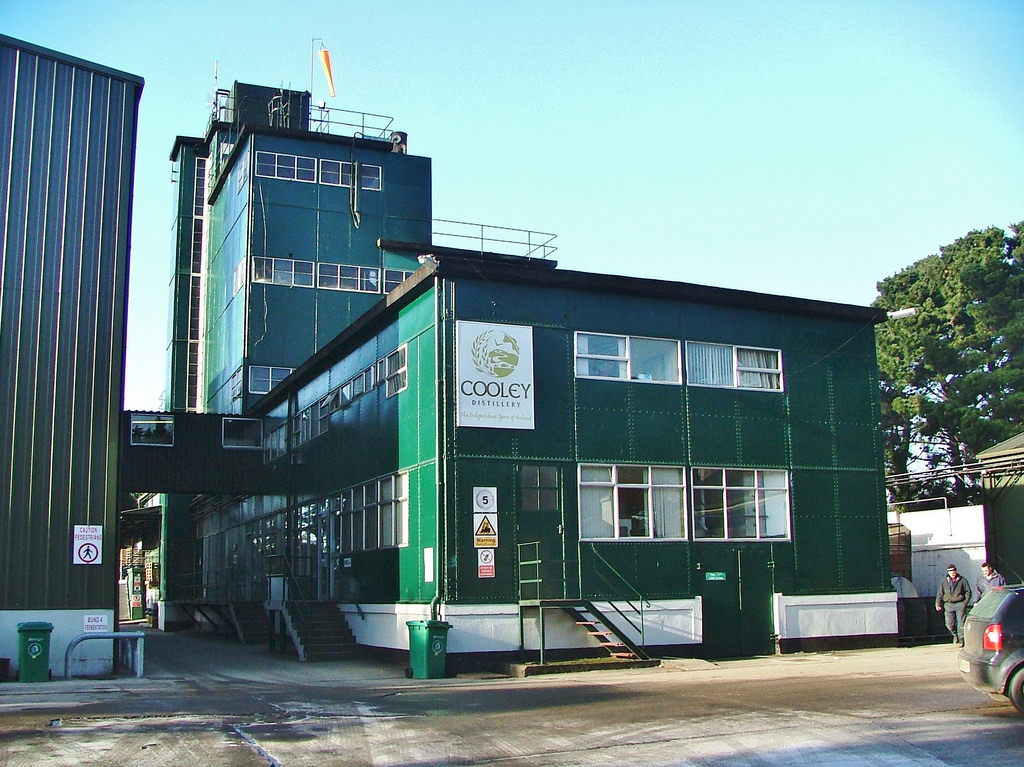
The late 1980s marked the beginning of Irish Whiskey’s comeback. In 1988, Irish Distillers (IDL) became a member of Group Pernod Ricard, which provided massive distribution opportunities for Jameson, and the other IDL Irish whiskey brands, through its well established global sales network. In 1987, Cooley Distillery was established and was the first independent distillery to begin distilling Irish Whiskey in over 100 years
Moderate at the beginning, the recovery has grown at pace in the past fifteen years. As the potential of Irish Whiskey became apparent Diageo, William Grant & Sons and Jim Beam all entered the category by purchasing Bushmills, Tullamore DEW, and Cooley respectively.
In 2013, there were four distilleries in Ireland in operation producing and selling Irish Whiskey:
- Cooley Distillery (est 1987)
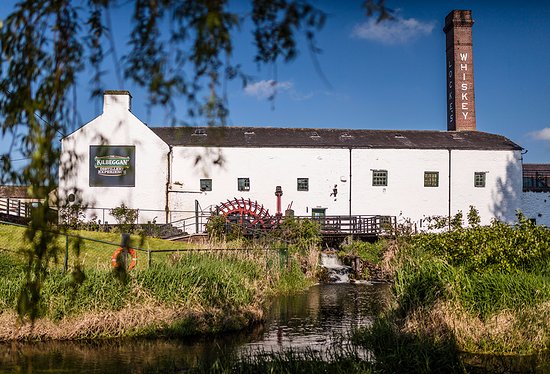
- Kilbeggan Distillery (est 1757, re-commissioned 2007)
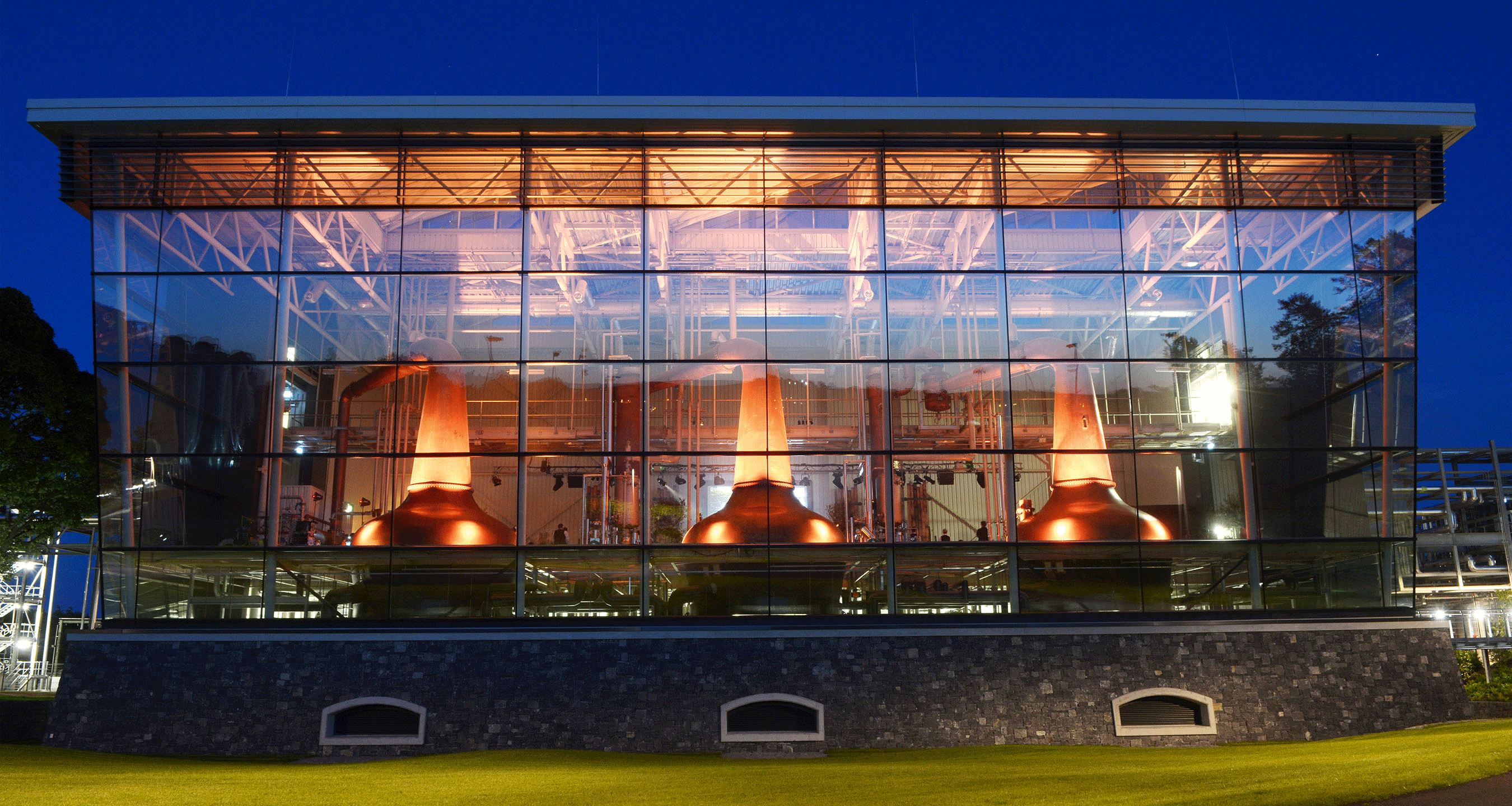
- New Midleton Distillery (est 1975)
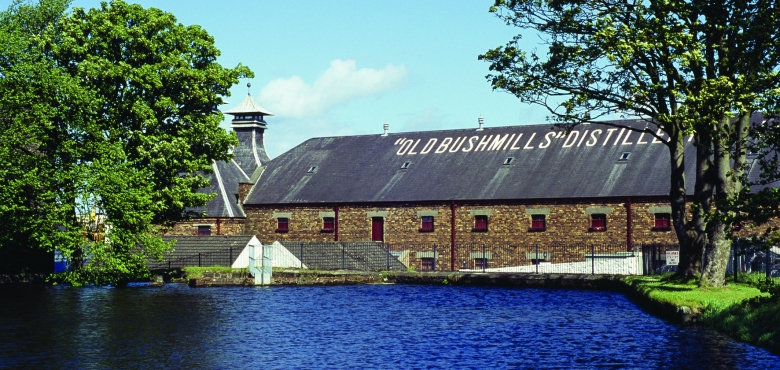
- Old Bushmills Distillery (est 1784)
By August 2017, the number of operational whiskey distilleries in Ireland had increased to 18, demonstrating the scale of Ireland’s Whiskey Renaissance. New distilleries have opened in each of the four provinces, from Dublin’s Liberties to rural communities right across Ireland. There are also plans for a further 16 distilleries.
Some of the famous Irish Whiskies that definitely have a shot in your list of tasting.
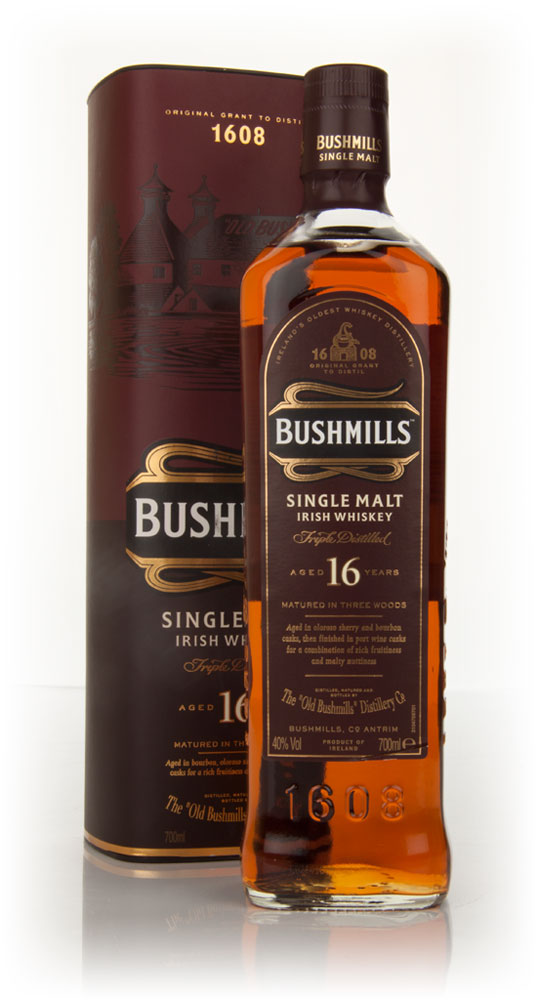
1, Bushmill
Bushmills uses two kinds of malt, one unpeated and one slightly peated. The distillery uses triple distillation, something they’ve done since the 1930s. The core range of single malts consists of a 10-year-old, a 16-year-old with a finish in port pipes for 6-9 months and a 21-year-old finished in Madeira casks for two years. There is also a 12-year-old Distillery Reserve which is sold exclusively at the distillery. Black Bush and Bushmills Original are the two main blended whiskeys in the range. To celebrate the 400th anniversary, a Bushmills 1608 Anniversary Edition was launched. The malt whiskey part was distilled using a proportion of crystal malt This special ingredient gives the blend distinct toffee/chocolatey notes. The grain whiskey used for Bushmills blended whiskeys is, in fact, bought from Midleton distillery in Cork which is owned by arch-rival Pernod Ricard.
2. Kilbeggan 8yo Grain
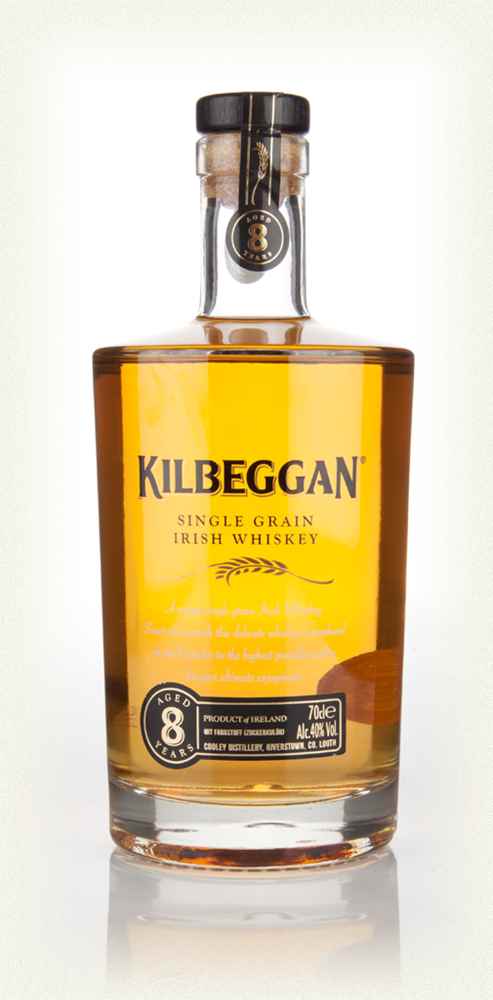
Kilbeggan 8 Year Old is a stunning single grain Irish whiskey (you may have previously known it as Greenore 8 Year Old). A hugely enjoyable expression, with plenty of honey, vanilla, tropical fruit, almond and spiced oak notes – certainly deserving of your shelf-space.
3. Teeling Single Grain
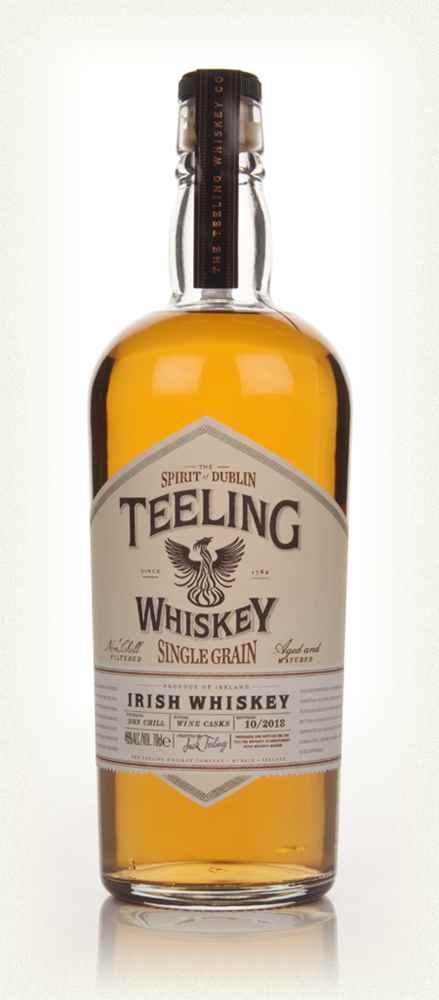
Irish single grain whiskey from Teeling! There are only an elite few Irish single grain whiskies out there at the moment, but Teeling went ahead and made theirs unique by maturing it in Californian Cabernet Sauvignon casks. Deliciously sweet with a good deal of spice and fruit hide within the Teeling Single Grain.
4. Redbreast 12yo B1/16
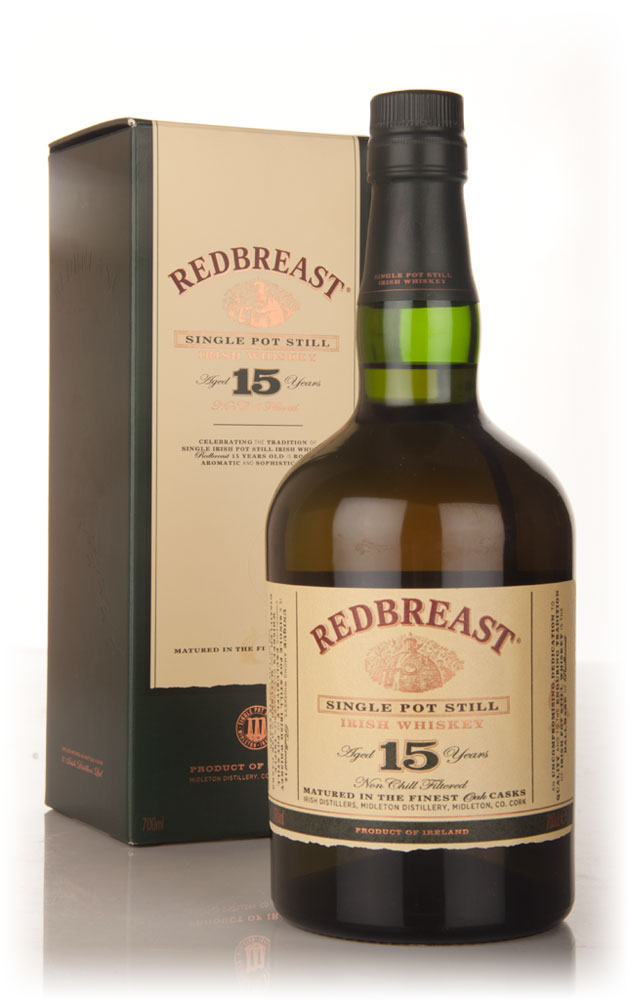
Redbreast 12-Year-Old Cask Strength Edition isn’t simply the excellent Redbreast 12-Year-Old bottled at a higher abv, the whiskeys used for each batch are specially selected for these superb natural cask strength releases. A must try.
5. Midleton Barry Crockett Legacy
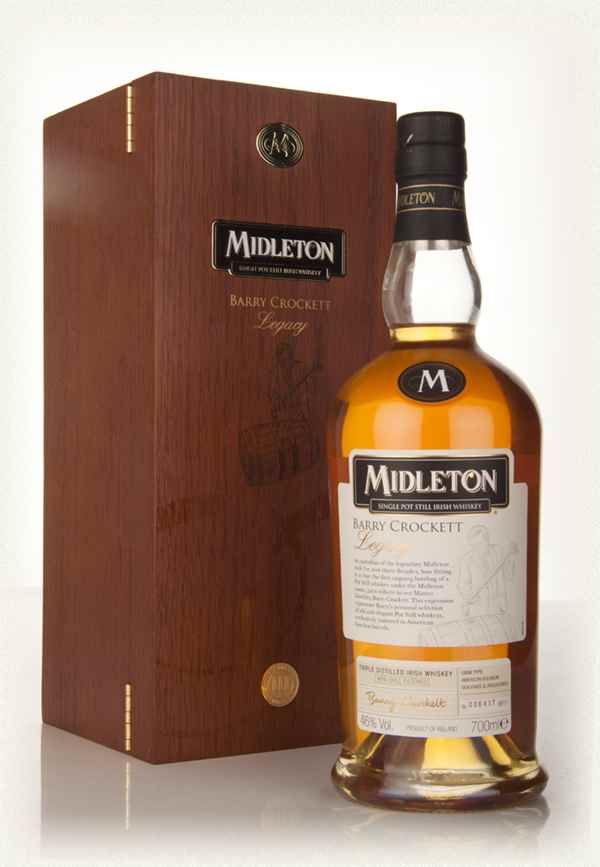
Released in 2011, Midleton’s Barry Crockett edition was named after the distillery’s master distiller, and it is aged in both bourbon and new American oak barrels! Very interesting indeed and a limited release of around 2,500 bottles per year.
6. Jameson Irish Whiskey
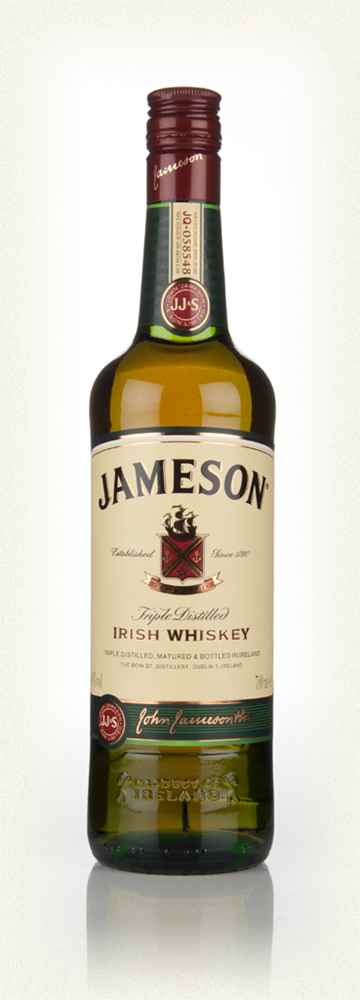
Produced at the Midleton Distillery, Jameson is Ireland’s quintessential Irish blend, a classic. Jim Murray even awarded it an incredible 95 points!
7. Jameson Crested Ten
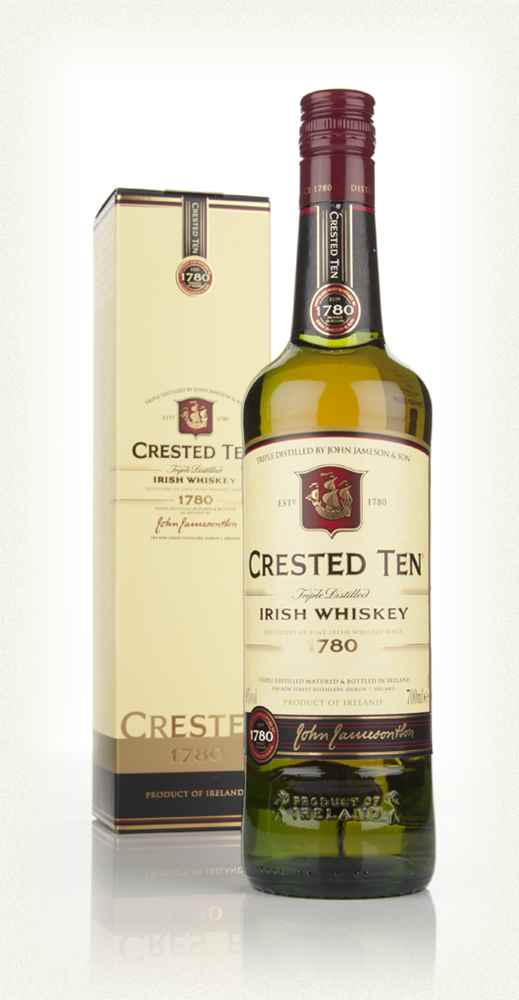
Crested Ten was first released by Jameson in 1963, when the whiskey bonding trade was dying out. With a high proportion of pot still and Sherry-matured whiskeys, this is a top Irish blend, a real gem.
8. Jameson Black Barrel
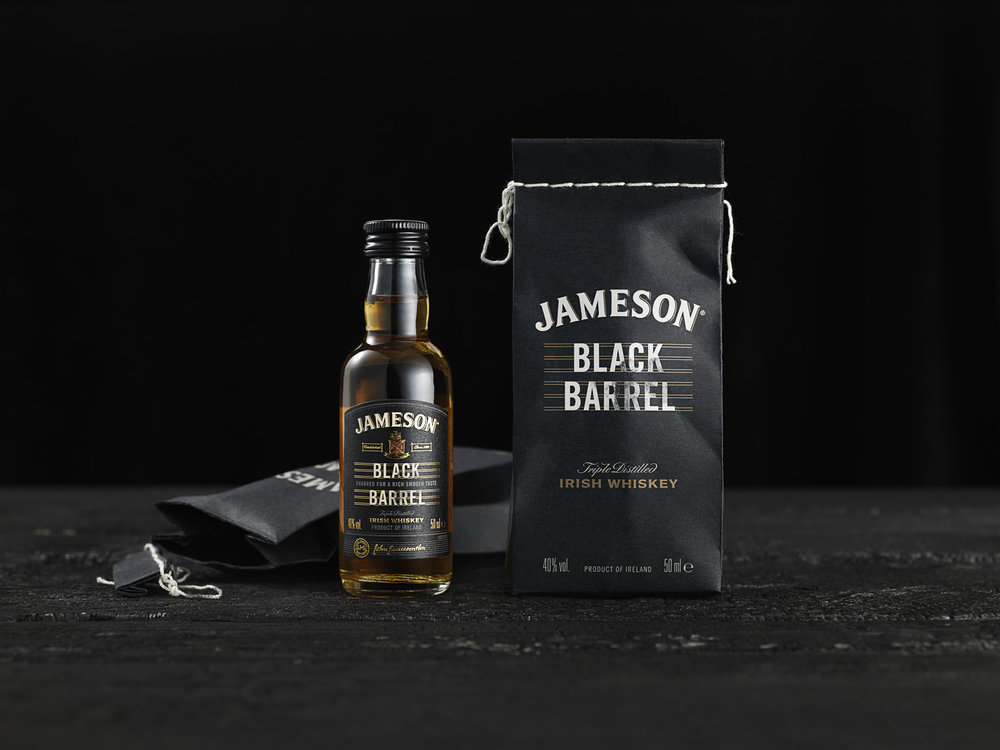
AKA Small Batch – a super release from Jameson, with a high proportion of Irish pot still whiskey as well as small batch grain. The result is an increased body and level of richness when compared to the core expression. It’s aged in double charred first fill bourbon casks (black barrels). Well worth a look.
9. Tullamore D.E.W. 12 Year Old Special Reserve

Originally launched for the travel retail market, this 12 year old Irish blend is full of sweetness and sublimely smooth.Tullamore D.E.W. 12 Year Old Special Reserve.
10. Writers Tears Copper Pot Irish Whiskey
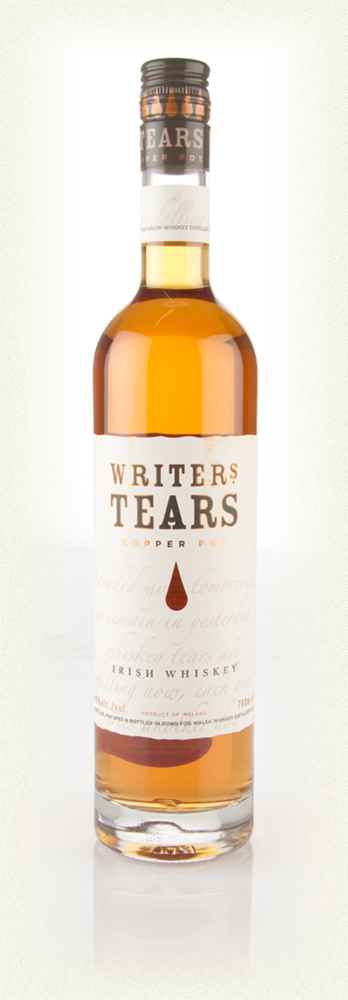
Writers Tears is a light, sweet Irish whiskey made using a mix of single pot still and single malt whiskeys, resulting in oodles of honey’d, fruity notes. Wonderfully easy to drink, it would make for a great introduction to Irish whiskey for folks new to the spirit. No writers were harmed in the making of this whisky.
11.Feckin Irish Whiskey
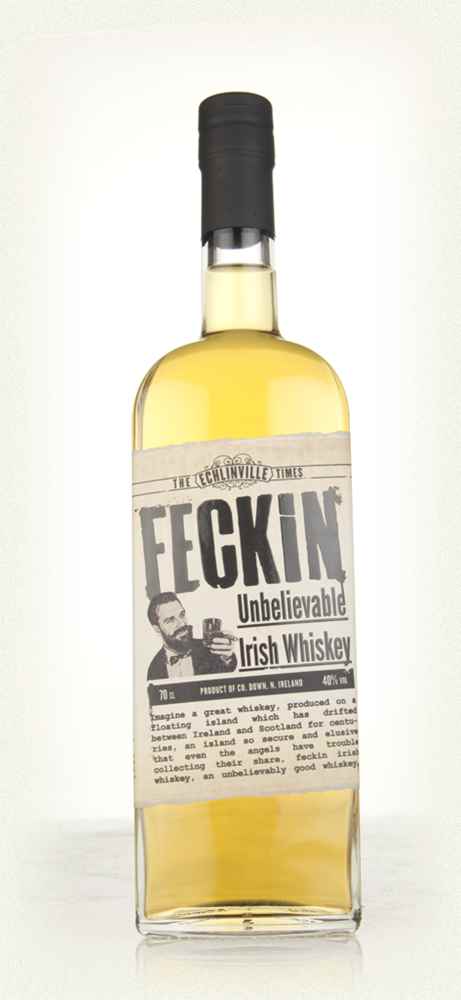
FECKiN Irish Whiskey is a smooth, honeyed Irish whiskey with loads of balance and finesse. It’s a heartily recommend this feckin whiskey to you.

#daru #daru App #delivery #drinkresponsibly #enjoyresponsibly
#NammaBengaluru#alcohol #alcholdelivery #liquordelivery #deliveryinbangalore #storenearme #Collaboration #Featured #TalesOfDaru #Article #Blog
Beer | Spirits | Wine | Delivered
Coming soon at darudelivery.com or DaruDelivery available on Google Play store and IOS app store, Available in Bangalore, India.