
Are you also fighting with the idea of liquor being healthy??? And during this climatic changes in the environment, with being clad with the common cold, often being prescribed to try few of the liquor solutions??
Well in the early 20th century, alcohol was viewed as both a depressant and a stimulant. However, at the time, this dual-action reputation reinforced alcohol’s positive image within the medical community.

While today we typically view alcohol as an accompaniment to food, back in the early 1900s medical professionals commonly fed alcohol to patients suffering harsh fevers. In some cases, alcohol could comprise as much as 40% of a patient’s daily intake! Its high caloric density (seven calories per gram) and the relative ease with which it is absorbed into the bloodstream made alcohol ideal for patients suffering delirium or for those who were otherwise unable to eat. The inebriating nourishment was commonly administered in some variety of spirits, such as whiskey or brandy.
Speaking of spirits, of all the forms, brandy was the most highly acclaimed amongst physicians. When Prohibition was enacted in 1920, the use of alcohol as medicine was halted. scientific research was beginning to refuse alcohol’s therapeutic effects, and many doctors didn’t feel the need to have liquor in their medical arsenal. Concerns were also raised that doctors would themselves become bootleggers. The movement was quickly quashed.
By the 1940s, alcohol’s long-term deleterious effects were becoming evident, and only a select handful of doctors clung to the notion of alcohol as medicine.
Today, that notion has all but evaporated. But alcohol in moderation is still a well-known and efficacious remedy for social inhibition!
And yes, there are few helpful liquors that we like to indulge as a social meteor, which also helps us in our sick days
1. Absynthe
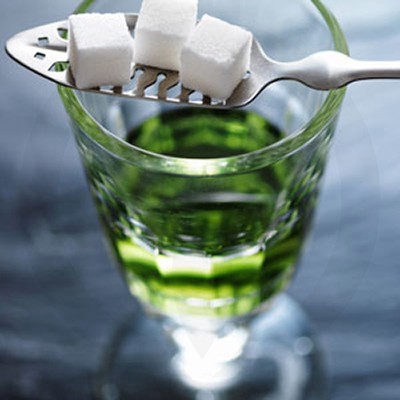
Absynthe was invented during the French revolution (1789-1799) by Dr. Pierre Ordinaire as a medicine for almost everything. Historically described as the distilled, highly alcohol concentrate beverage with an ABV of 45-74%. Ordinaire’s recipe was passed on to the Henriod sisters of Couvet, who sold absinthe as a medicinal elixir. This miracle potion was recommended for treating epilepsy, kidney stones, headaches, worms and many more things. Many great painters, like Vincent van Gogh, and other artists also used this medicine to boost their creativity, or so they claimed.
2.Cognac/Brandy:
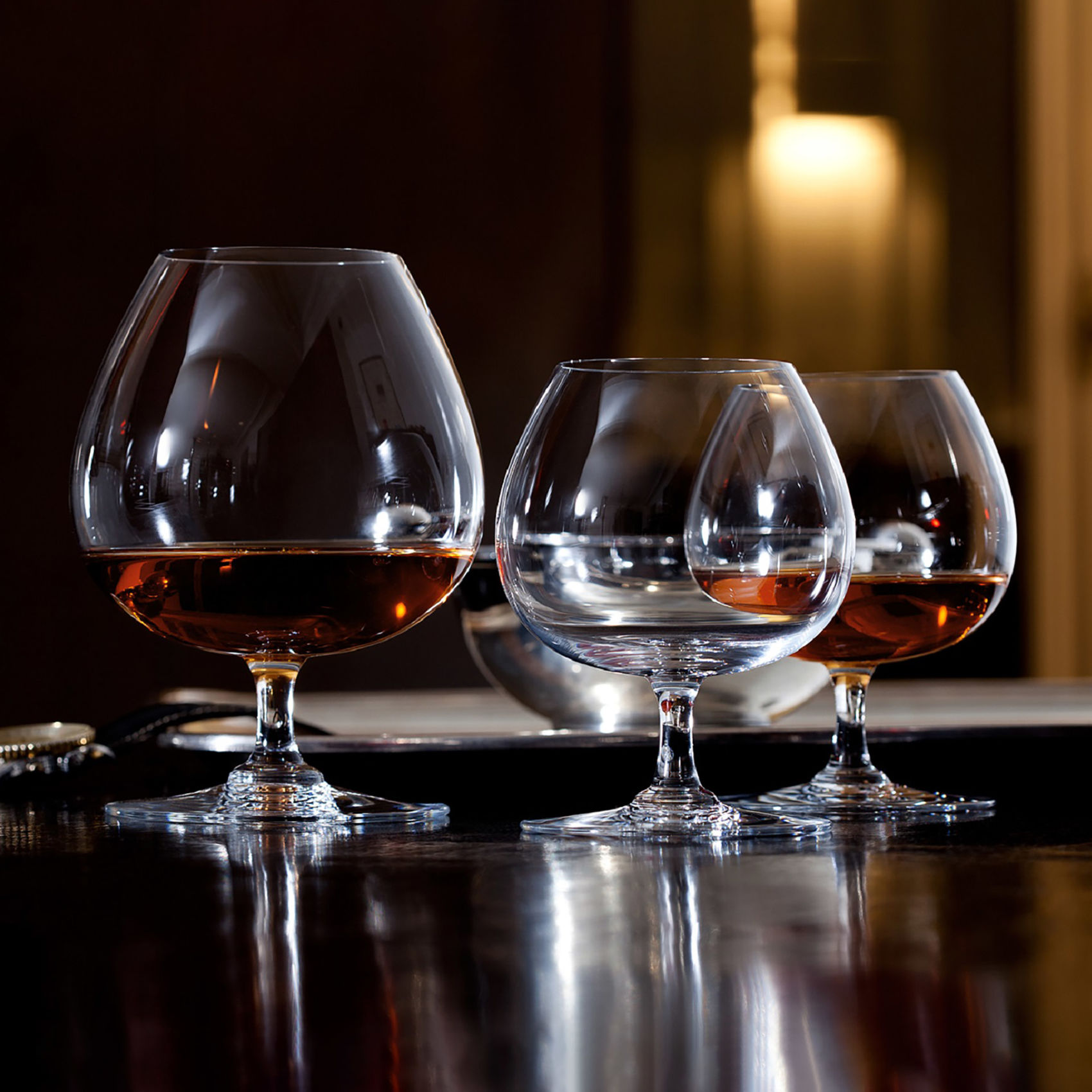
Brandy was very popular medicine in the 19th and early 20th century. Primarily as a cardiac stimulant, meaning it was believed to be good for the heart and blood pressure. Brandy contains antioxidants which have the ability to lower bad cholesterol levels in the blood, thus keeping the heart healthy. The polyphenol compounds in brandy also reduce inflammation in the cardiovascular system, resulting in lower blood pressure. A 2007 study in France proved that the number of heart patients in Gascony (the region of the Armagnac cognac) was extremely low. Apparently, this medicine still works.
Unlike other alcoholic drinks, brandy does not contain any carbohydrates, so it doesn’t cause any bloating
3.Ouzo:

Greek ouzo is believed to have so many uses in Greek folk medicine that it also goes by the name to farmako (the medicine). Of course, the alcohol does its part like in all other drinks, but ouzo also contains many herbs that are believed to have healing effects. One of them, of course, being anise, that gives the drink it’s special flavor. Similar drinks are mastika (masticha in Bulgarian) and sambuca.
5. Whisky:
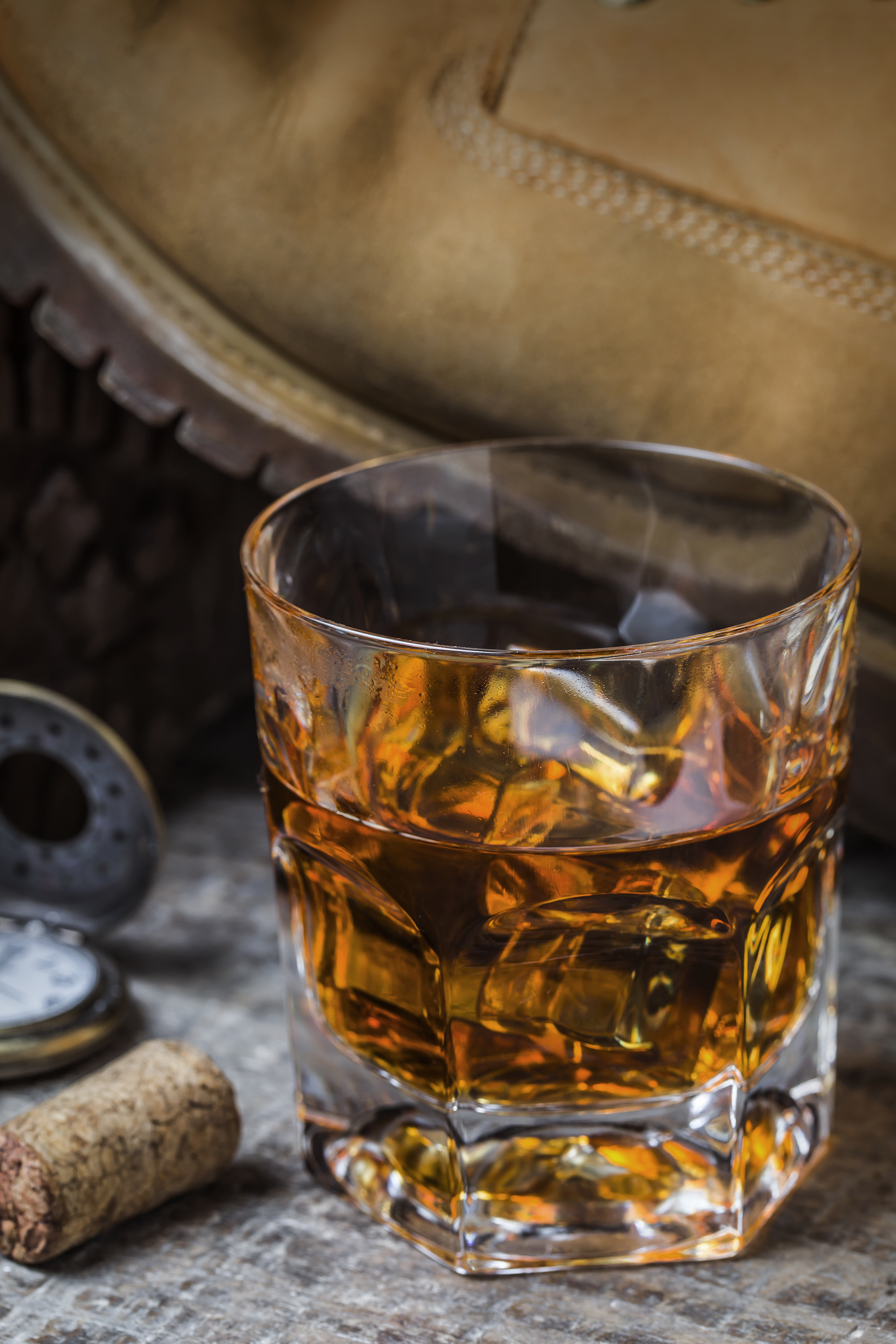
The name whisky comes from the Gaelic word uisge. This is short for uisge beatha, which means water of life. That’s because whisky was basically used for any kind of physical problem. As a medicine, it was used for both internal anesthetic use and as an external antibiotic.
6. Vodka:
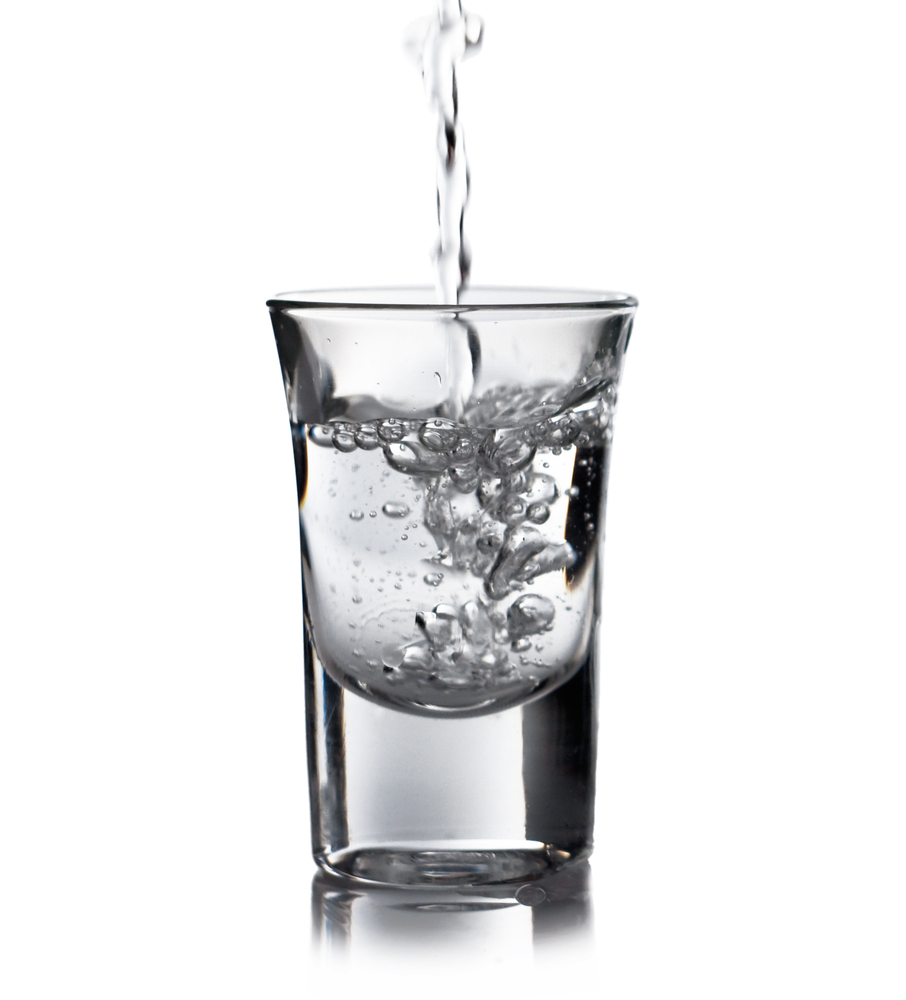
A list of medicinal alcoholic drinks would be incomplete without vodka. Since the 16th century, this clear liquor was sold in pharmacies in Eastern Europe. It was believed to cure almost anything. From infertility to the plague, vodka was always the answer.
7.Rum:
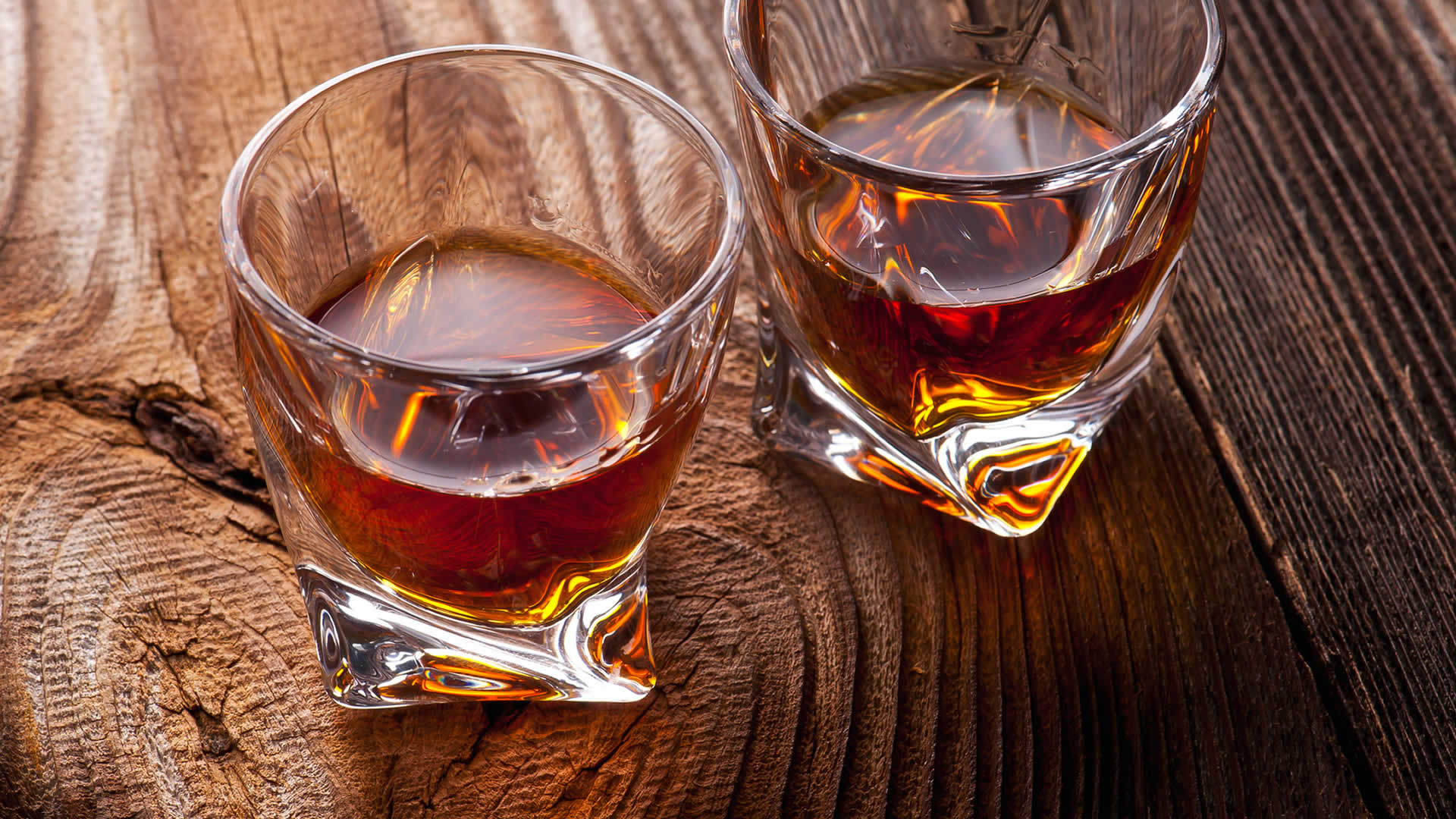
Rum has always been the drink of the navy and soldiers. It was used to make the troops recover both mentally and physically. In World War 1 it was the thing that kept most soldiers who suffered from shellshock going. A report on shellshock in 1922 concluded: “Moral can be and had to be created.” Many soldiers from that time literally said: “If it wasn’t for rum, we would have lost the war.”
8. Jenever/Gin:
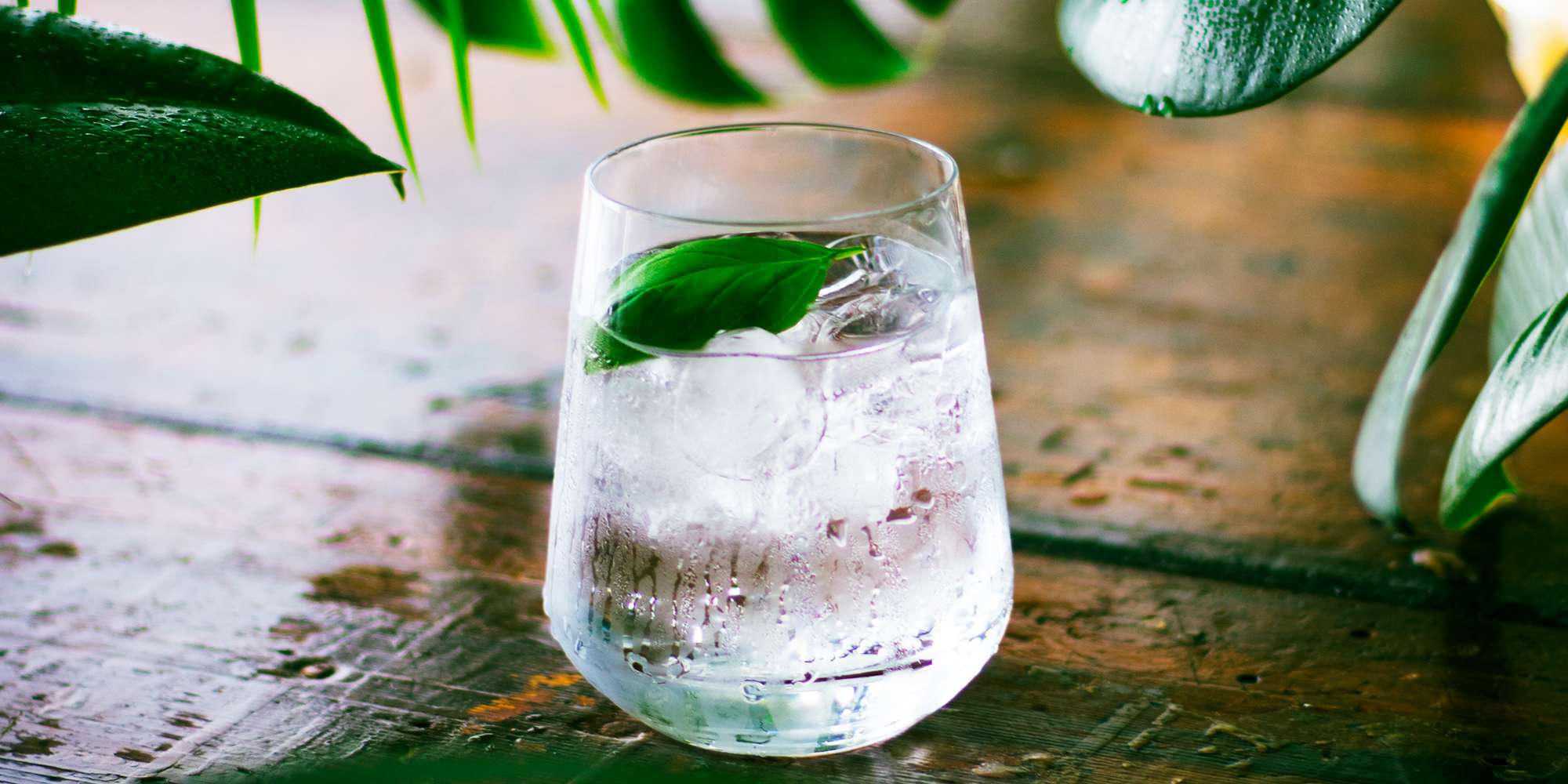
This drink was invented in the 16th century as the Plague killed one-third of the total population in Western Europe. As we told you in our special post on jenever this drink owes its name to the Dutch name for juniper. These small berries were already known for their healing powers and so the jenever potion was distributed as a remedy for the ‘black death’(The Black Death, also known as the Great Plague, the Black Plague, or the Plague, was one of the most devastating pandemics in human history, resulting in the deaths of an estimated 75 to 200 million people in Eurasia and peaking in Europe from 1347 to 1351).

#daru #daru App #delivery #drinkresponsibly #enjoyresponsibly
#NammaBengaluru#alcohol #alcholdelivery #liquordelivery #deliveryinbangalore #storenearme #liquorstorenearme #storenearme #winestore #Party #India #Bengaluru #Product #Gin #Gin&Tonic #Gincocktail #medicine #health #benefits #Whisky #Rum #Vodka #Absinth #Jenever #blackDeath #itworks #innovation #discovery #healthjoy
Beer | Spirits | Wine | Delivered
Order online at darudelivery.com or download DaruDelivery available on Google Play store and IOS app store, Available in Bangalore, India.